

ZED X One - GMSL2
If you recently purchased one or more ZED X One cameras, congratulations! This guide aims to help you become acquainted with the ZED X One cameras and to give you the essential information you need to start using their capabilities to their full potential. How do I connect my ZED X One camera? How do I use the GMSL2 capture card? How can I create and use a stereo pair from two ZED X One cameras in the ZED SDK? If you are asking yourself these questions, this guide is here to help.
If you are the owner of a ZED X One Core, the barebone MIPI version of the ZED X One, please refer to the ZED X One Core Getting Started Guide for the information specific to that model.
About ZED X One
The ZED X One cameras are professional-grade cameras designed specifically for robotic applications in production environments. Multiple options are available to better fit the usage, such as Global or Rolling Shutter, 4K HDR with unparalleled low light capabilities, wide or narrow field of view lens options. Their high-performance IMU unlocks positional tracking capabilities as well.
Additionally, their secure GMSL2 connection allows for low-latency video transmission without EMI interference, making them ideal for integration into robotics platforms.
How to use ZED X One
Monocular Camera
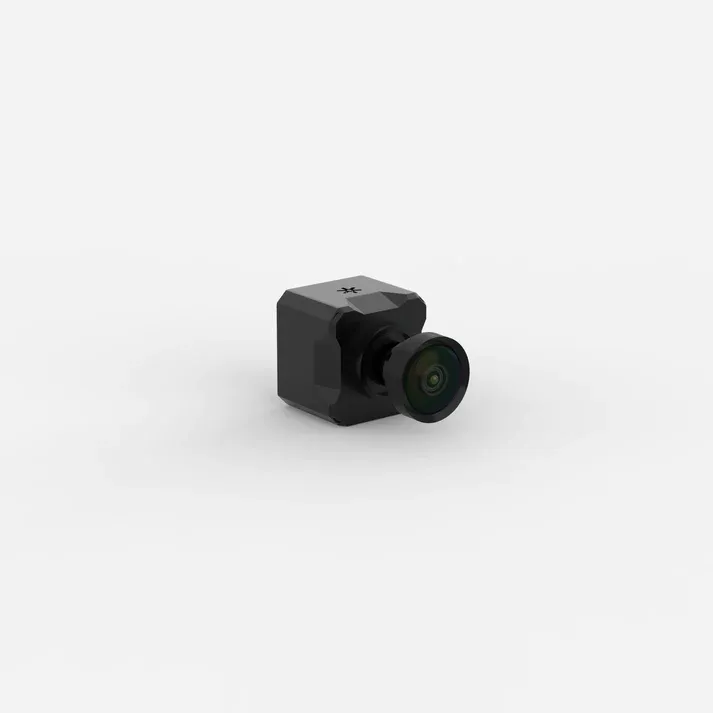
The ZED X One can be used as a standalone monocular camera.
You can use it to capture high-resolution images, video, and sensor data. The ZED X One is accessible through the ZED SDK using the sl::CameraOne object.
Stereo Camera
The ZED X One can be used in a stereo camera system with a modular baseline. This mode requires you to place two ZED X One cameras side by side at a fixed distance, rigidly mounted. The distance between the cameras will impact the 3D depth range.
Cameras with a small baseline can see accurately at very close range, while cameras with a larger baseline will have a longer range but a greater minimum working distance. The lens option will also impact the effective depth range. More information on setting up a stereo rig can be found here.
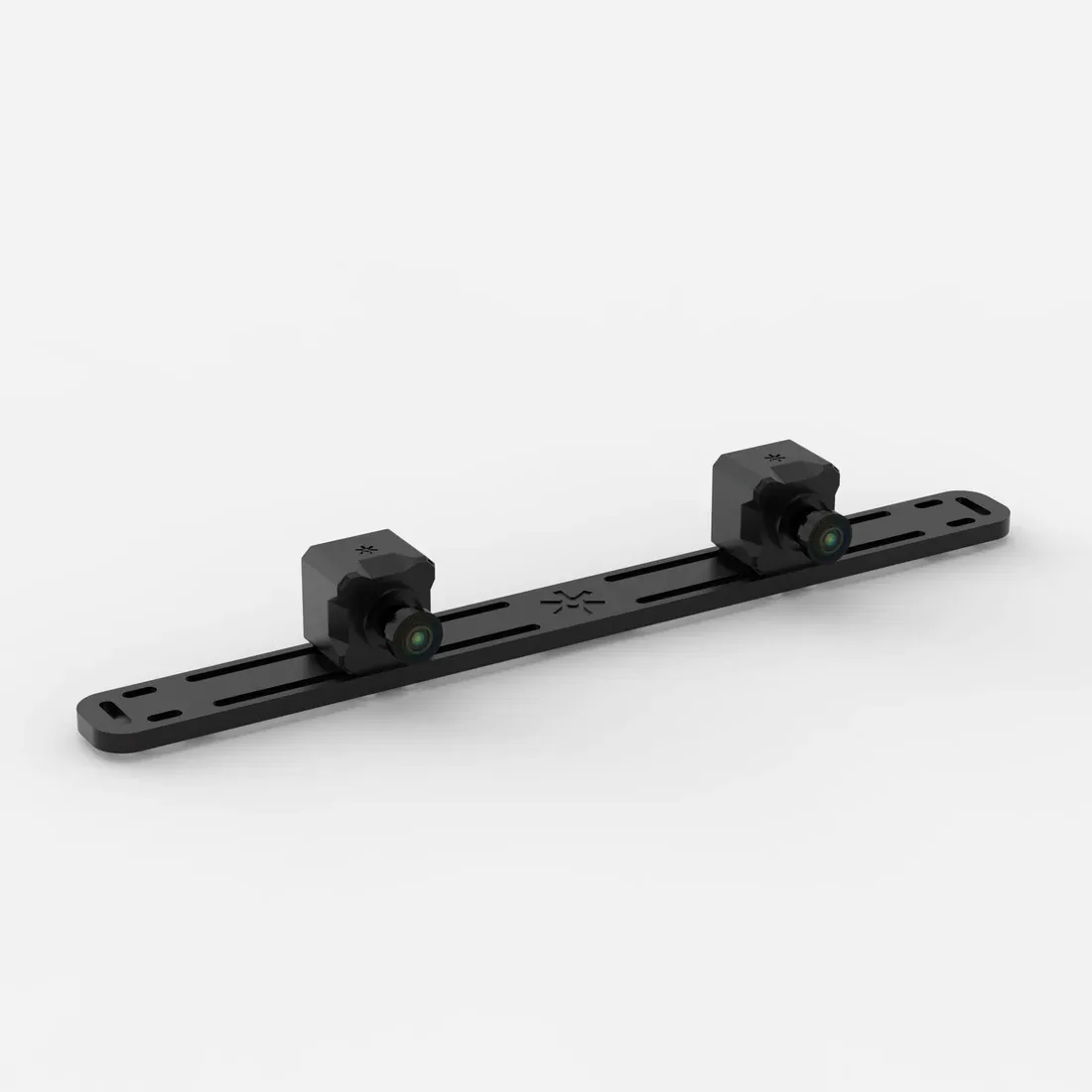
In a stereo camera configuration, the system requires a calibration procedure once it is mechanically set up. The calibration computes the relative position between the two ZED X One cameras, which is later used for depth computation. More information on this step here.
Once the system is calibrated, the ZED X One cameras can be used as a standard input in the ZED SDK, and all their features will be available seamlessly.
Setting up your system for ZED X One
If you are planning to use the ZED X One camera, it is essential that you have the proper hardware in place to support the camera’s GMSL2 connection.
The ZED X One cameras use a GMSL2 connection, which is not compatible with USB. To process video at high bandwidth and low latency in a reliable manner, specific hardware is required, and therefore the ZED X One devices are not compatible with all host machines.
Before proceeding, please ensure that you have followed the “Get Started with ZED Link” guide to correctly configure your NVIDIA® Jetson™ device for the GMSL2 camera.
Using ZED X One with a Virtual Display
For remote access to your ZED X One system, running on an NVIDIA® Jetson™ device, a virtual display lets you run GUI applications and development tools without a physical monitor or HDMI dongle. This is ideal for headless robotic setups where you need to use the ZED SDK remotely through VNC, NoMachine, or X11 forwarding.
Follow the “Virtual Display on NVIDIA® Jetson™” guide to configure a software-based virtual display for your environment.
Developing with ZED X One Stereo on a PC
When working on projects for embedded platforms such as Jetsons, there may be situations where you prefer to perform development tasks on a Desktop machine. The ZED SDK / ZED Media Server Streaming feature enables developers to use ZED X One on their local PC as if it were connected directly to the computer. To set up this capability, follow the guide below to stream ZED X One data to your computer.
Advanced: Raw NV12 Buffer Access
For performance-critical applications like GStreamer pipelines or NVIDIA DeepStream, the ZED SDK offers a zero-copy API to access raw NV12 buffers directly from the capture pipeline. This allows low-latency integration with NVIDIA multimedia frameworks by avoiding unnecessary memory copies.
Read more in our dedicated guide on how to access raw NV12 buffers from the ZED X One camera:
Troubleshooting
If you have any issues while setting up your ZED X One, please refer to our Troubleshooting guide.
Docker
You can find a guide to use the ZED X One GS, ZED X One 4K and ZED X One S in Docker on this page.
Hardware reference
- Specifications - image sensor, optics, mechanical drawings, part numbers, and compliance.
- Datasheets - the official datasheets.
- CAD Files - the most up-to-date CAD files of all our products.