

Offroad Autonomy
This page covers field robots, agricultural, construction and mining machines, drones, inspection vehicles and marine systems, operating outdoors in harsh conditions. For each application, it lists the camera, lens, options and host that usually fit, and the pitfalls to avoid. Use these recommendations as a starting point and check them against your requirements.
Before choosing, read the rules that apply to most applications. For a step-by-step selection, see Choose your camera and Choose your ZED Box.
At a glance
| Application | Camera | Lens | Polarizer | Host | |
|---|---|---|---|---|---|
 | Outdoor ground robots | ZED X | Wide or narrow | Yes | ZED Box Orin |
 | Large vehicles and long range | ZED X narrow, or two ZED X One on a wide baseline | Narrow | Yes | ZED Box Orin |
 | Drones | ZED X Mini, or two ZED X One S | Wide | Yes | ZED Box Mini, Mini Carrier Board |
 | Inspection and survey vehicles | ZED X, ZED X Mini (close to the ground) | Wide or narrow | Yes | ZED Box Orin |
 | Underwater and marine | ZED X, ZED X Mini | Wide | Yes, above water | ZED Box Mini, ZED Box Orin |
Only the ZED 2i, ZED X and ZED X Mini are available with a polarizer. For details, see Should you choose the polarizer?.
Outdoor ground robots
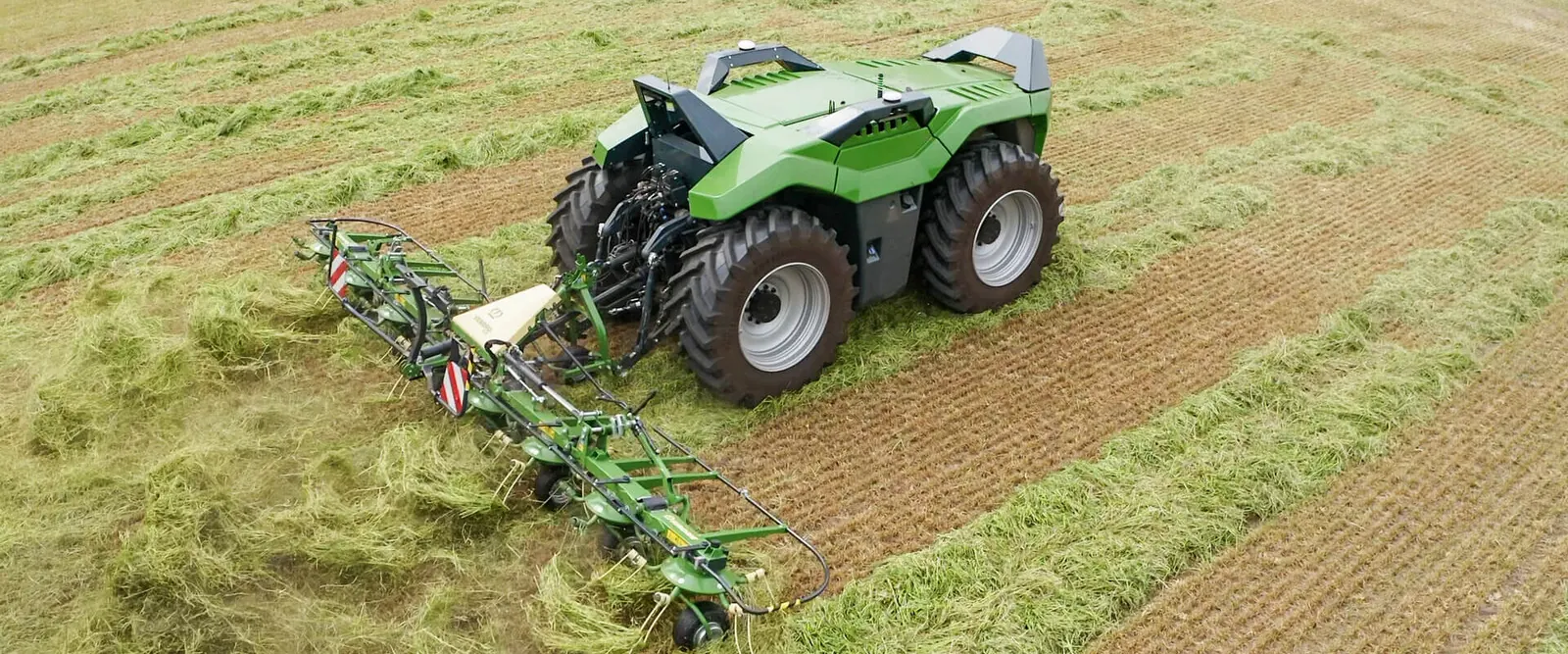
Field robots for agriculture, construction, mining, security and last-mile delivery.
- Camera: ZED X with polarizer. Its global shutter keeps the images sharp on rough terrain, the camera is vibration-tested at 2 g RMS from 3 Hz to 500 Hz, its IP67 rating protects it from dust and water, and its locking FAKRA connector resists vibration better than USB.
- Lens: wide for navigation and obstacle avoidance around the robot, narrow when the robot must perceive farther than 12 m, for example at higher speed.
- Host: ZED Box Orin, with the GNSS option to combine visual tracking with GNSS in Global Localization.
- The ZED Boxes have no IP rating, and the fanless ZED Box Orin operates from 0°C to +50°C: install it in a protected, shaded location, or in a suitable enclosure.
- For robots that work both indoors and outdoors, choose the polarizer depending on where the critical tasks happen, as explained in Should you choose the polarizer?.
- Dust, fog, snow and heavy rain reduce the depth range. Filter the depth by confidence for safety functions.
Large vehicles and long range
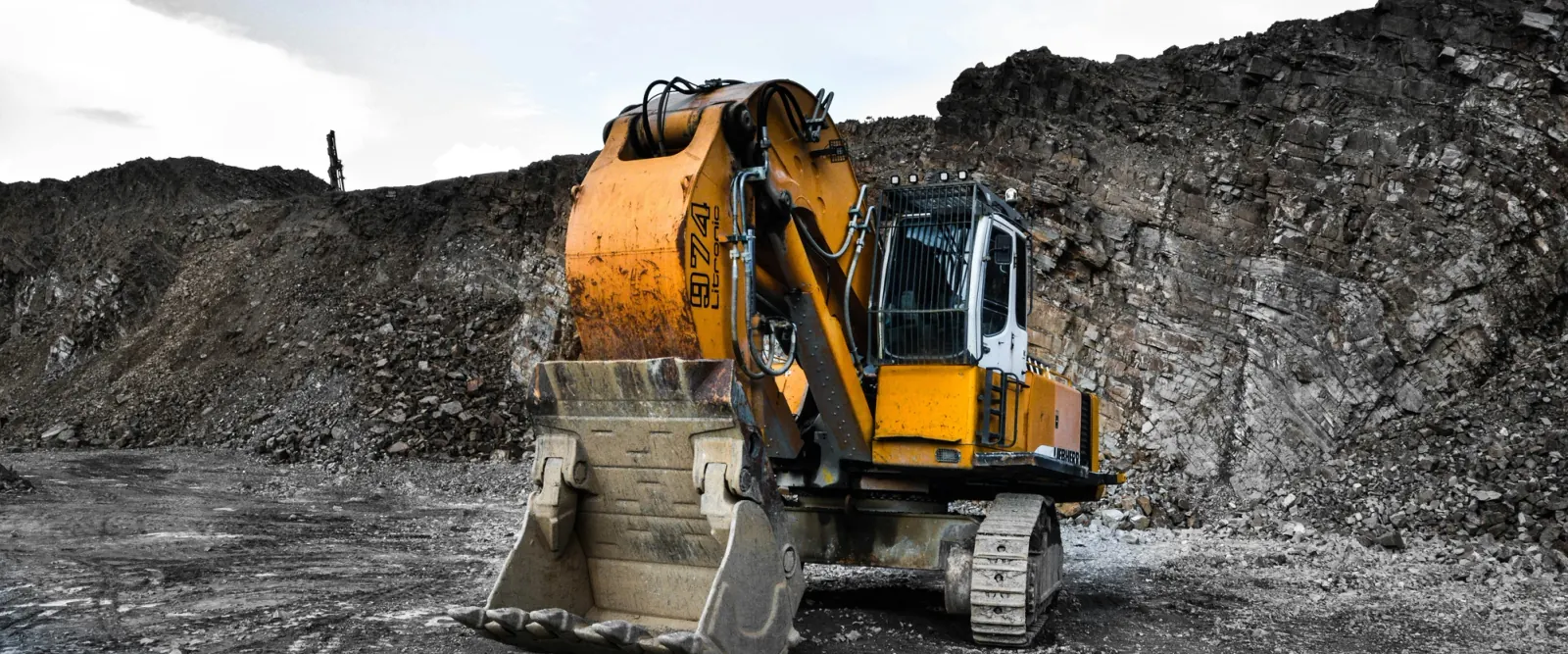
Tractors, harvesters, construction machines, and any application that needs depth beyond 20 m.
- Up to 20 m: ZED X with narrow lens, ideal range from 1.0 m to 20 m. Combine it with wide lens ZED X cameras for the near field: mixing lenses on the same vehicle is common.
- Beyond 20 m: two ZED X One cameras as a virtual stereo rig with a wide baseline. The depth error grows with the square of the distance and decreases with the baseline, so a wider baseline and a narrow lens extend the range. On a moving vehicle, choose the global shutter ZED X One GS or ZED X One S. On a fixed installation, the ZED X One 4K gives more pixels per degree.
- Surround vision: several ZED X One cameras around the machine.
A wide-baseline rig must be mechanically very stiff, because any relative motion between the two cameras degrades the depth. Calibrate the rig with captures at the far end of the working range.
Drones
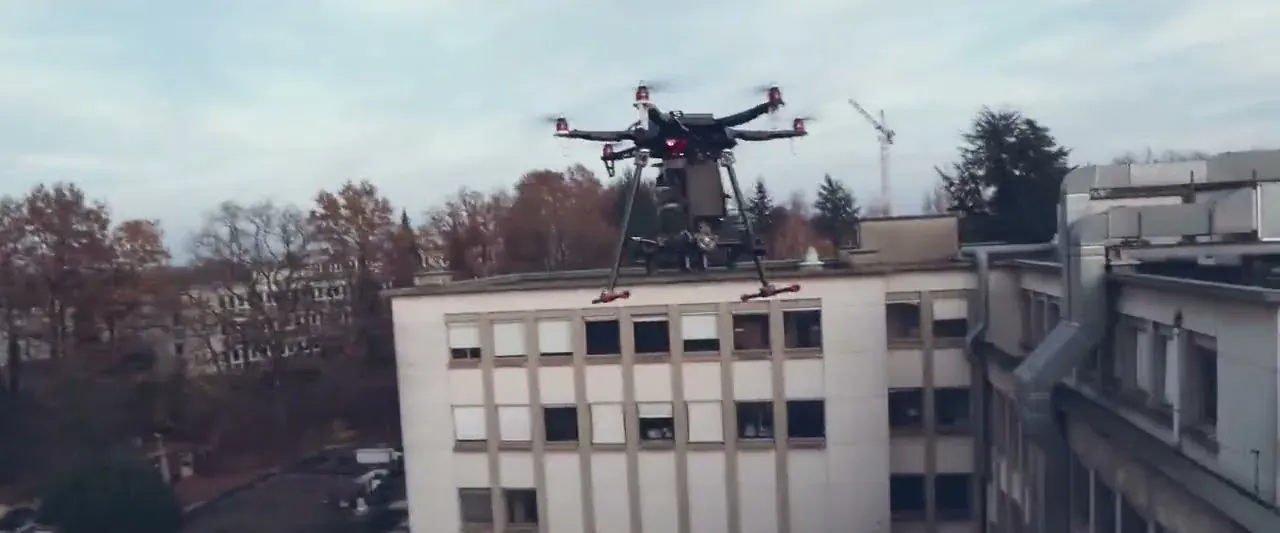
- Camera: ZED X Mini with wide lens. Global shutter keeps the images sharp despite vibrations, the camera weighs 151 g, and its wide field of view gives many visual features for positional tracking in GNSS-denied flight. Add the polarizer against sun glare.
- Lightest stereo setup: two ZED X One S (33 g to 37 g each) as a virtual stereo rig, with a baseline adapted to the flight altitude.
- Host: Mini Carrier Board or ZED Box Mini, compact hosts with two GMSL2 ports.
- Avoid rolling shutter and USB cameras on drones: vibrations distort rolling shutter images, and USB connections are sensitive to vibration and power drops.
- The depth range limits the useful altitude: point the camera at the ground or obstacles within its ideal range, or use a wider baseline.
- The ZED X One Core uses MIPI CSI-2, not GMSL2, and requires a Jetson AGX Developer Kit with a ZED Link MIPI Quad: it does not suit drones today.
Inspection and survey vehicles
Road, pavement, rail and infrastructure inspection from a moving vehicle.
- Camera: ZED X with polarizer against glare on wet roads and vehicles. Use the narrow lens for detail at a distance, and a ZED X Mini for cameras close to the ground (minimum depth 0.1 m).
- Settings: short exposure times to avoid motion blur at speed, and high frame rates.
- Host: ZED Box Orin with Jetson Orin NX 16 GB, to record several cameras and compute depth offline from the SVO files if needed.
- At speed, the distance traveled between two frames grows quickly. Keep the frame rate high: on a ZED Box Orin, spread the cameras across the two port groups (see Frame rate with several cameras).
- Standing water acts like a mirror. The polarizer reduces reflections but does not remove them.
- Power the host from the vehicle through a suitable DC-DC converter, within its power input range.
Underwater and marine
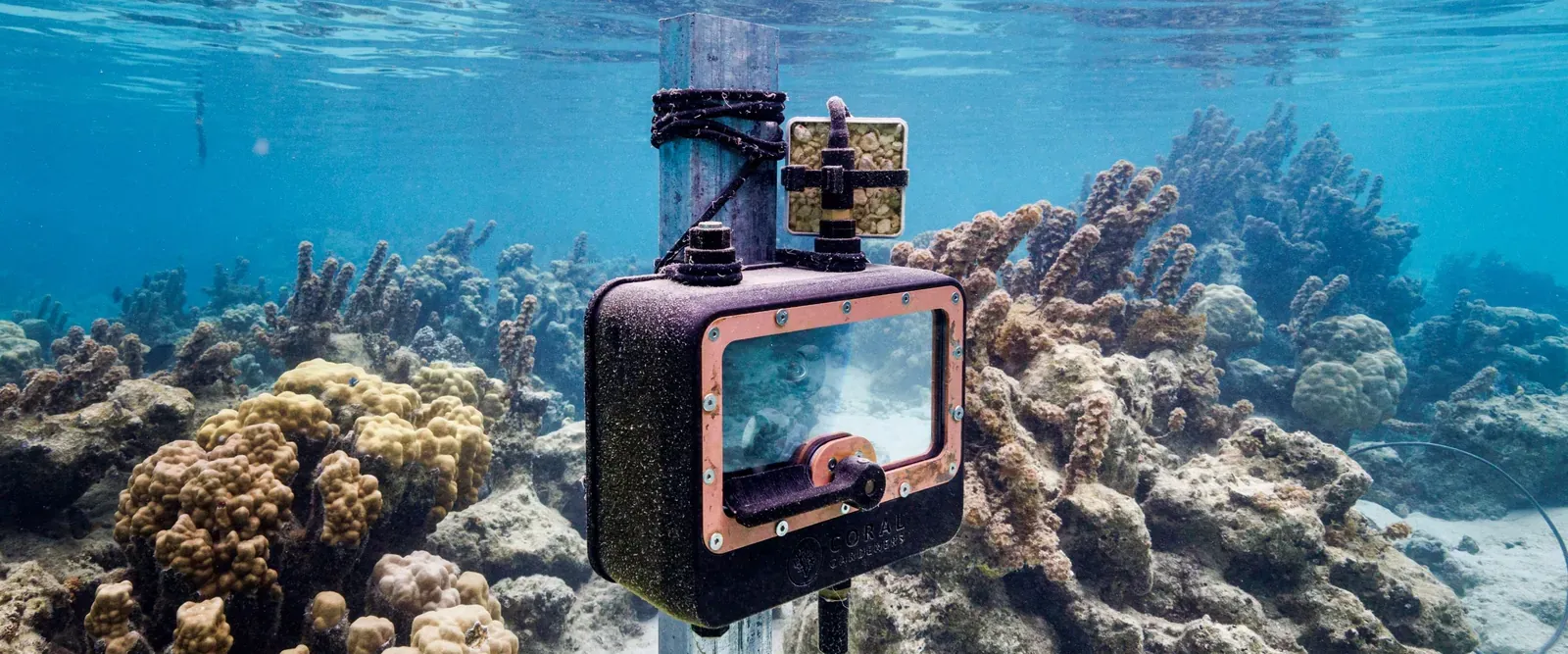
- Camera: ZED X or ZED X Mini, in a third-party pressure housing.
- Calibration: the factory calibration is made in air. Water and the housing window change the optics, so the camera must be recalibrated in its housing, in water, as described in How to Calibrate your ZED camera with OpenCV.
- Above water: the polarizer reduces the reflections on the water surface.
GMSL2 links through subsea connectors and cables are not validated by StereoLabs: check that the full link meets the GMSL2 channel specifications, and test it before deployment.
Need help?
Contact support@stereolabs.com with a description of your application: working distances, motion, environment and number of cameras.